
A color tattoo uses a full palette of pigments — not just black and shades of grey — to create work that ranges from the bold primary colors of traditional flash to photorealistic full-color portraits. Color is not a single style; it's a dimension that runs through American traditional, neo-traditional, Japanese, realism, new school, and watercolor work. What all great color tattoos share is saturation: pigment packed evenly and confidently into the skin so it heals bright and stays bright.
What Makes Color Tattoos Work
- Saturation over subtlety. Color that's packed in solid heals vibrant and ages predictably. Timidly applied color heals patchy and fades fast. This is a hands-on skill — one of the clearest separators between experienced artists and everyone else.
- Black is the skeleton. Almost all long-lasting color work is anchored by black — in outlines, shadows, or deep background. Black structure is what keeps a color tattoo readable as pigments soften over decades. This is exactly why traditional and Japanese tattoos from forty years ago still look like tattoos.
- Color theory on skin. Skin is a living, warm-toned canvas. Great color artists adjust palettes to your skin tone so the healed result matches the vision — rich color work looks incredible on every skin tone when the palette is chosen for it, not copied off a screen.
- Ink quality. We use professional, reputable pigments and are happy to talk sourcing — here's our explainer on how tattoo inks are regulated in the U.S.
Popular Color Tattoo Directions
- Color realism — flowers, animals, and portraits in full lifelike color.
- Neo-traditional — jewel-toned, illustrative, and the most popular color direction in our studios right now.
- Traditional — red, yellow, and green over bold black lines; the most time-proven color formula in tattooing.
- Japanese — large-scale color storytelling: koi, dragons, peonies, and waves.
- Watercolor accents — soft paint-splash effects, best used over a black-line backbone so the piece keeps its structure as it ages.
Do Color Tattoos Fade? An Honest Answer
All tattoos soften over time — color simply shows it differently than black and grey. Lighter pigments (whites, pastels, some yellows) fade fastest; blacks, blues, and reds hold longest. We wrote a full breakdown of which tattoo colors fade the most and which last the longest. The short version: placement, sun exposure, and saturation matter more than the pigment brand, and a well-built color tattoo will look strong for decades with basic sun protection.
Color Tattoos for Military Members
Color work in military life comes with a few practical considerations our artists talk through every week:
- Sun is the enemy of color — and the military lives outdoors. If you're stationed somewhere like Fort Bliss with intense year-round UV, or you spend your days in the field, plan for sunscreen on exposed color work and consider placements that spend most of their time under a uniform. A forearm piece at El Paso latitude takes far more UV than the same piece under a sleeve.
- Healing before the field. Fresh color work needs the same ~2 weeks of clean healing as any tattoo — sweat-soaked gear, dirt, and ruck straps over a healing piece will cost you saturation. Schedule sessions after, not before, an FTX.
- Uniform coverage is a feature. Chest, back, thighs, and upper arms hold color beautifully, stay out of the sun by default, and keep everything within placement regs. It's the best of all worlds for color collectors in uniform.
Getting Color Work at ATS
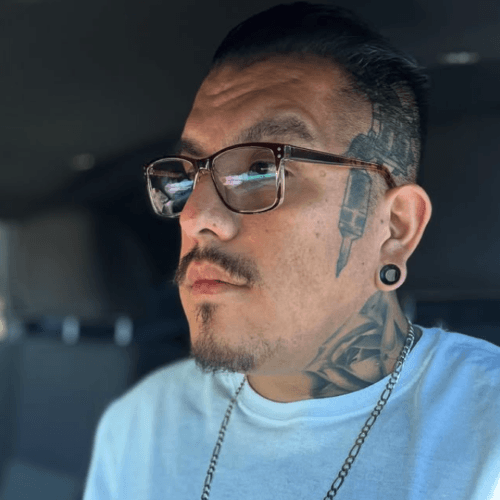
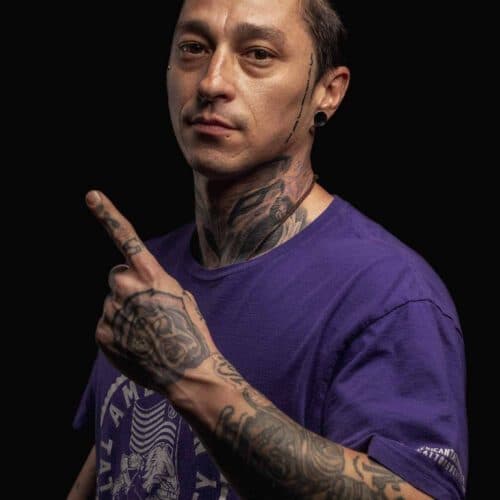
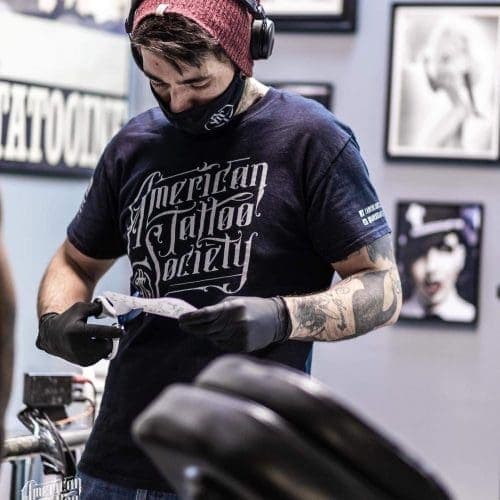
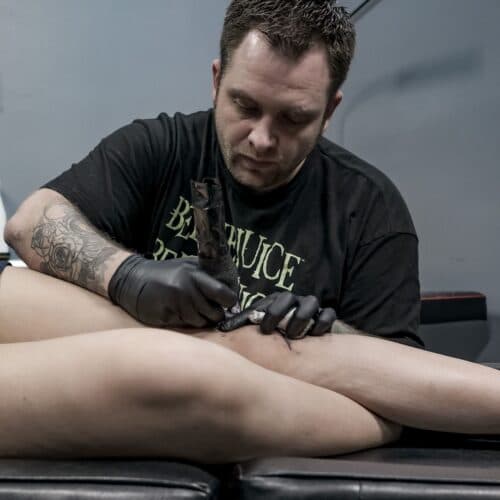
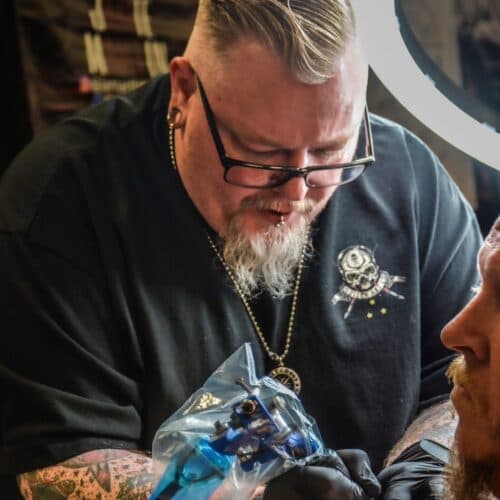
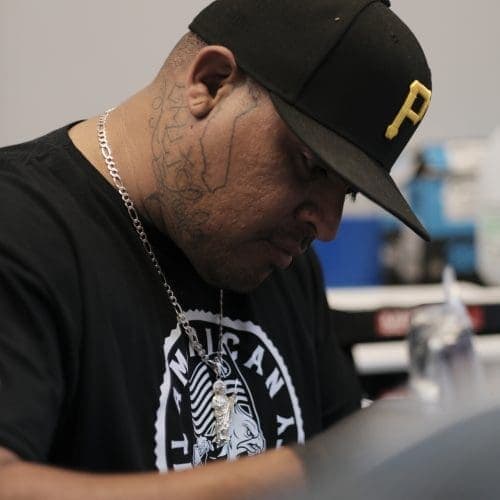
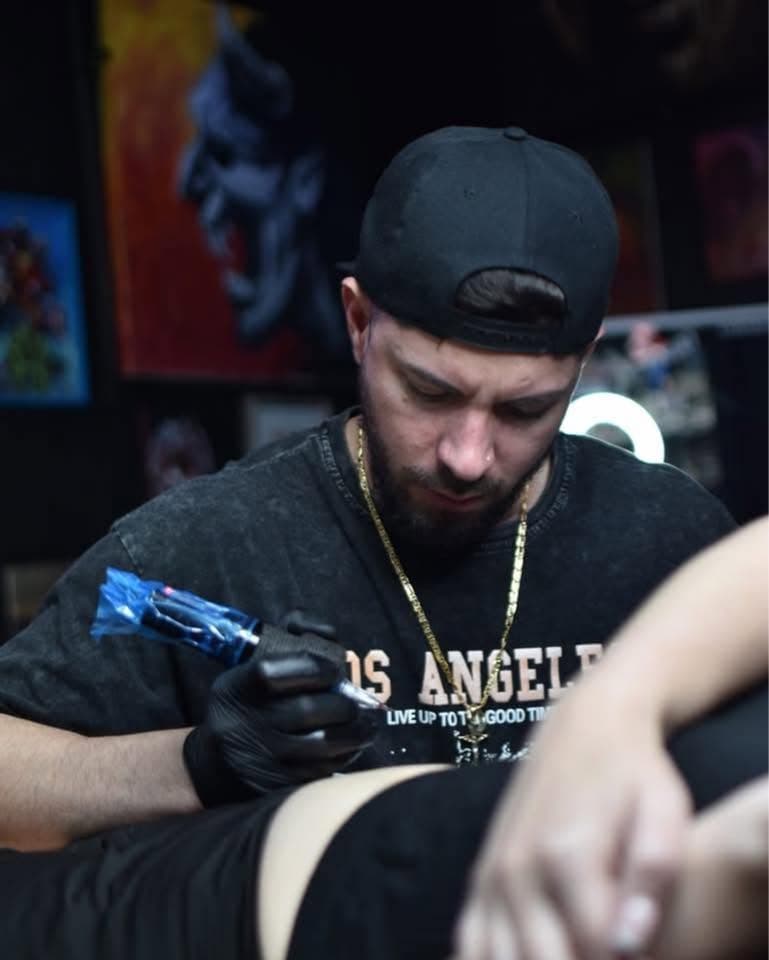
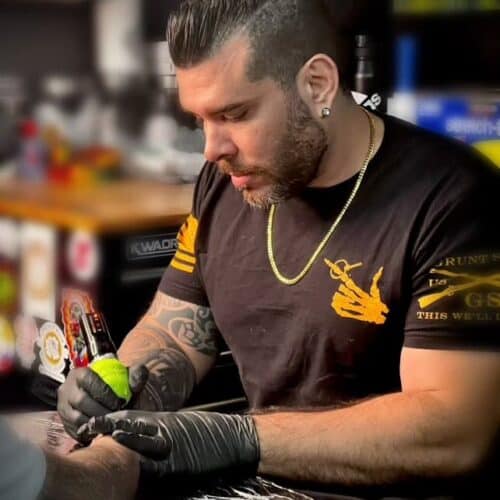
Look through our artists for healed color photos — healed, not fresh, is where color skill shows. Then bring your idea in. Your artist will talk palette, placement, and scale honestly, including whether your concept will hold up better in color or black and grey.



Frequently Asked
Do color tattoos hurt more?
No — pain depends on placement and session length, not pigment. Color pieces can take longer because of layered packing, so long sessions feel more demanding.
Do color tattoos work on dark skin?
Absolutely. The palette is chosen differently — high-contrast, saturated tones over strong black structure — and the results are stunning. Ask to see healed examples on similar skin tones; our artists have them.
How do I keep color bright?
Follow aftercare exactly during healing, then sunscreen for life on exposed pieces. Sun exposure is the single biggest factor in color longevity.
Will color need touch-ups?
Some pieces benefit from a touch-up pass after healing or years down the road, especially light colors in high-wear spots. Solidly saturated work on protected placements often never needs one.
Watercolor tattoos — good idea or not?
Great idea with structure: watercolor effects anchored by black linework age well. Pure structureless watercolor softens noticeably faster, and we'll tell you that before you book.
Ready for Color That Actually Lasts?
Visit any of our five studiosor book a consultation. Bring the idea — we'll bring the palette.


