A realism tattoo reproduces a subject — a face, an animal, an object, a scene — so faithfully that it looks like a photograph printed on skin. There are no outlines in true realism; the image is built entirely from smooth transitions of shading, contrast, and detail, exactly the way a camera captures light. It is one of the most technically demanding styles in tattooing, and one of the most requested at American Tattoo Society.
What Separates Great Realism From Everything Else
Realism lives or dies on three things:
- Contrast. Photos have true blacks and bright highlights. Realism tattoos that skip the dark values look washed out within a few years. Great realism artists are aggressive with contrast on day one because they're designing for year ten.
- Reference quality. A realism tattoo can only be as good as the photo it's based on. High-resolution, well-lit references produce dramatically better results — this matters most for portraits.
- Smooth gradients. The signature of the style is shading with no visible transitions. This is pure technical skill, built over thousands of hours.
Realism comes in two families: black and grey realism, which renders subjects in monochrome like a black-and-white photograph, and color realism, which reproduces the full palette of the reference. Both are available at ATS; many collectors combine them.
Popular Realism Tattoo Ideas
- Portraits — parents, children, spouses, grandparents, and fallen friends. The most meaningful and most technically unforgiving subject in tattooing.
- Animals — lions, wolves, eagles, owls, and pets. Fur and feather texture is where realism artists show off.
- Eyes, hands, and clock faces — classic components of larger realism sleeves.
- Nature and scenes — mountains, storms, forests, and oceans as backdrops for sleeves and back pieces.
- Objects with meaning — dog tags, roses, pocket watches, vehicles, and firearms rendered true to life.
Placement, Sessions, and Pain
Realism needs room to breathe. Fine detail requires physical space, so most quality realism starts around palm-sized and scales up from there — forearms, upper arms, thighs, calves, and the back are ideal canvases. Large pieces are built across multiple sessions, often 3–6 hours each, with healing time between.
Pain-wise, realism sessions run longer than average because of the layered shading, but the sensation is the same as any tattoo in that spot. If you're planning a long session, read how much tattoos hurt and what to avoid before getting tattooed — showing up rested, fed, and hydrated genuinely changes your experience.
Realism for Military Members
Realism carries a particular weight in military communities, and our artists near Fort Bragg, Camp Lejeune, Fort Bliss, Fort Drum, and Norfolk work on these pieces weekly:
- Family portraits before and after deployment. Carrying a child's or spouse's face through a deployment is one of the most common realism requests we see.
- Memorial portraits. Realism is the natural style for honoring the fallen — often combined with dates, dog tags, or the battlefield cross. See our memorial tattoos page for how these pieces come together.
- Session planning around the mission. Large realism projects need multiple sessions with proper healing between them. If you're working around a training rotation or deployment window, tell your artist up front — we build project timelines around military calendars constantly, and an unfinished piece can always be paused and resumed. Some of our most memorable work has been finished the week a client returned home.
Choosing a Realism Artist at ATS
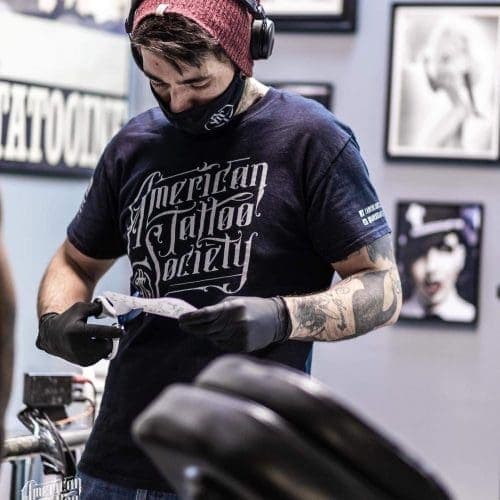
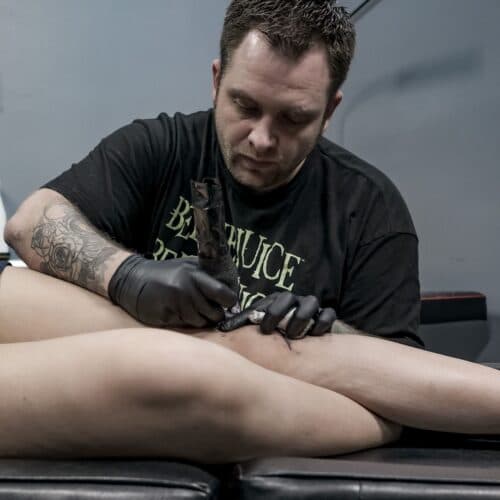
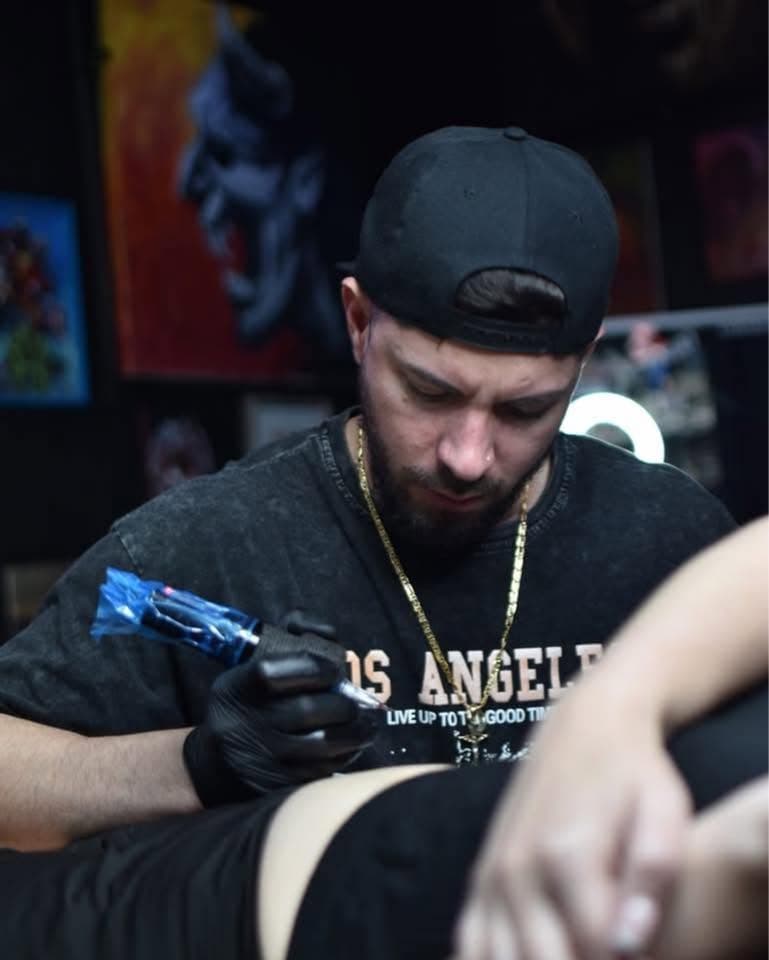
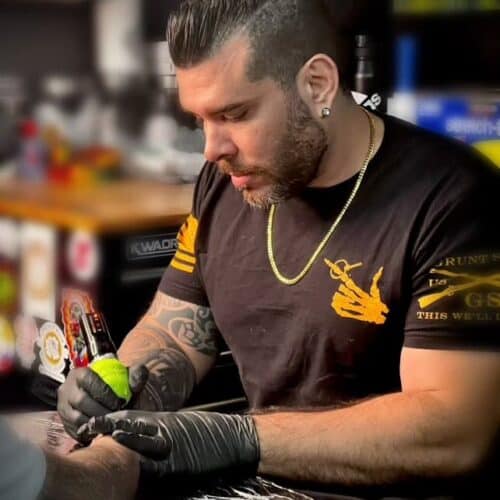
Realism is a dedicated discipline — the artists who do it best do it constantly. When you browse our artists, look for healed realism photos, consistent skin-tone rendering, and portrait work if a portrait is your goal. Then book a consultation and bring your reference photos; your artist will tell you honestly whether the reference will translate well and what size the piece needs to succeed.
Frequently Asked
How long does a realism tattoo take?
A palm-sized piece typically takes one 3–5 hour session. Half sleeves commonly run 10–20 hours across several sessions; full sleeves and back pieces more.
Do realism tattoos age well?
Yes — when they're built with strong contrast and enough size. Undersized, low-contrast realism blurs; properly engineered realism stays readable for decades. Good aftercare and sun protection do the rest.
What makes a good portrait reference photo?
Sharp focus, good lighting with visible shadow direction, high resolution, and an expression you love. Screenshots of screenshots make weak tattoos — bring the best original you can find.
Is realism more expensive?
It's priced like any custom work — by time — and realism simply takes more time. It's an investment in a piece people will genuinely mistake for a photograph.
Black and grey or color realism?
Black and grey ages with slightly less maintenance and suits memorial and portrait work beautifully; color delivers unmatched impact for animals, florals, and scenes. Your artist will steer you based on subject, skin tone, and sun exposure.
Bring Us the Photo. We'll Do the Rest.
Book a consultation or visit any of our five studios. Realism starts with a conversation about your reference — let's have it.


